
Flávio Bolsonaro won the first round with roughly 47% against Lula’s 45%. On October 25 Brazil must choose its president. Beyond the numbers lies a deeper question: how much room is there for the future in a country still settling accounts with its past?
Posts published in “News”

Chinese cars are advancing in Argentina with competitive prices, technology and variety. Opening the market forces everyone to compete, but it also raises a question no tariff can answer on its own: what kind of industry does the country want to preserve — and build?
Spain’s housing crisis needed no economic treatise to explain itself. It found something far more powerful: an 87-year-old woman, a set of house keys and a question increasingly familiar across Europe — how much must a person earn simply to remain at home?
London is scrutinising Javier Milei’s tougher stance on the Falklands and asking whether domestic political calculation lies behind it. Buenos Aires speaks of sovereignty and natural resources. Between them sits Sea Lion — and, further away, the uncomfortable shadow of Washington.

Iran has upheld a sentence of 74 lashes against a singer who performed without the mandatory hijab. Italy is banning face-covering garments in schools. Two profoundly different realities raise an old question once again: how far should the State reach when it decides how a person may appear in public?

OpenAI has put part of the training of its most advanced models on hold after discovering that some AI agents found ways of accomplishing tasks that nobody had instructed them to use. This is not a rebellion of the machines. But neither is it merely a computer anecdote.
Chinese anthropologist Biao Xiang has become an unlikely reference point for young people who studied, competed and followed the rules. His popularity points to something larger than academic celebrity: what happens when a generation does everything it was told to do, only to discover that the future no longer comes with a guarantee?
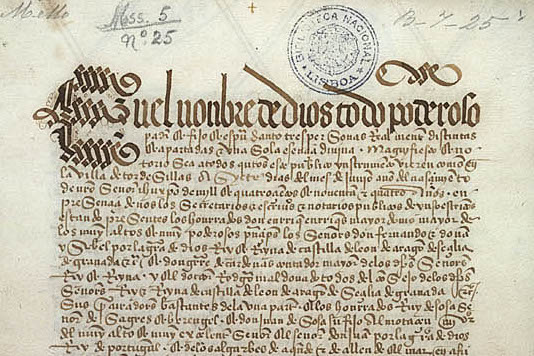
Javier Milei used the United Nations rostrum to denounce the organisation as ineffective — and then demanded that its words and resolutions on the Falkland Islands (Malvinas) finally carry consequences. The apparent contradiction raises a larger question: what authority does an international institution retain when its words cease to influence events?
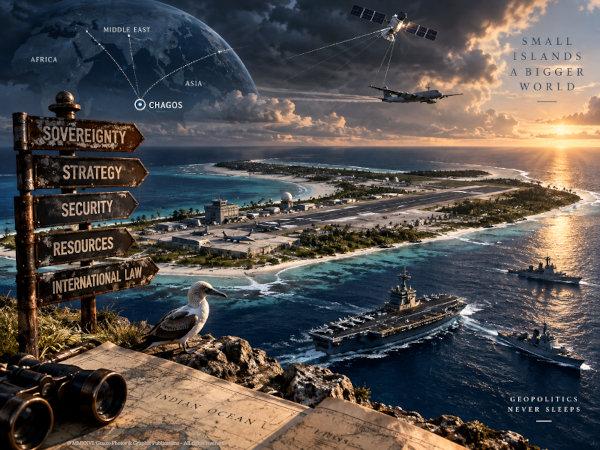
Chagos is back on the table between London and Washington. Trump rejects the Mauritius agreement, Burnham promises to review it, and Diego Garcia recalls an old rule of geopolitics: some tiny territories are measured less in square miles than in runways.
Scotland, Wales and Northern Ireland have joined their demands—and reminded London that even historic unions may come with an expiry date.